


Revolutionizing Clean: Innovative Technologies Transforming the Cleaning Industry in 2026
 FacilicomFebruary 15, 20263 Mins read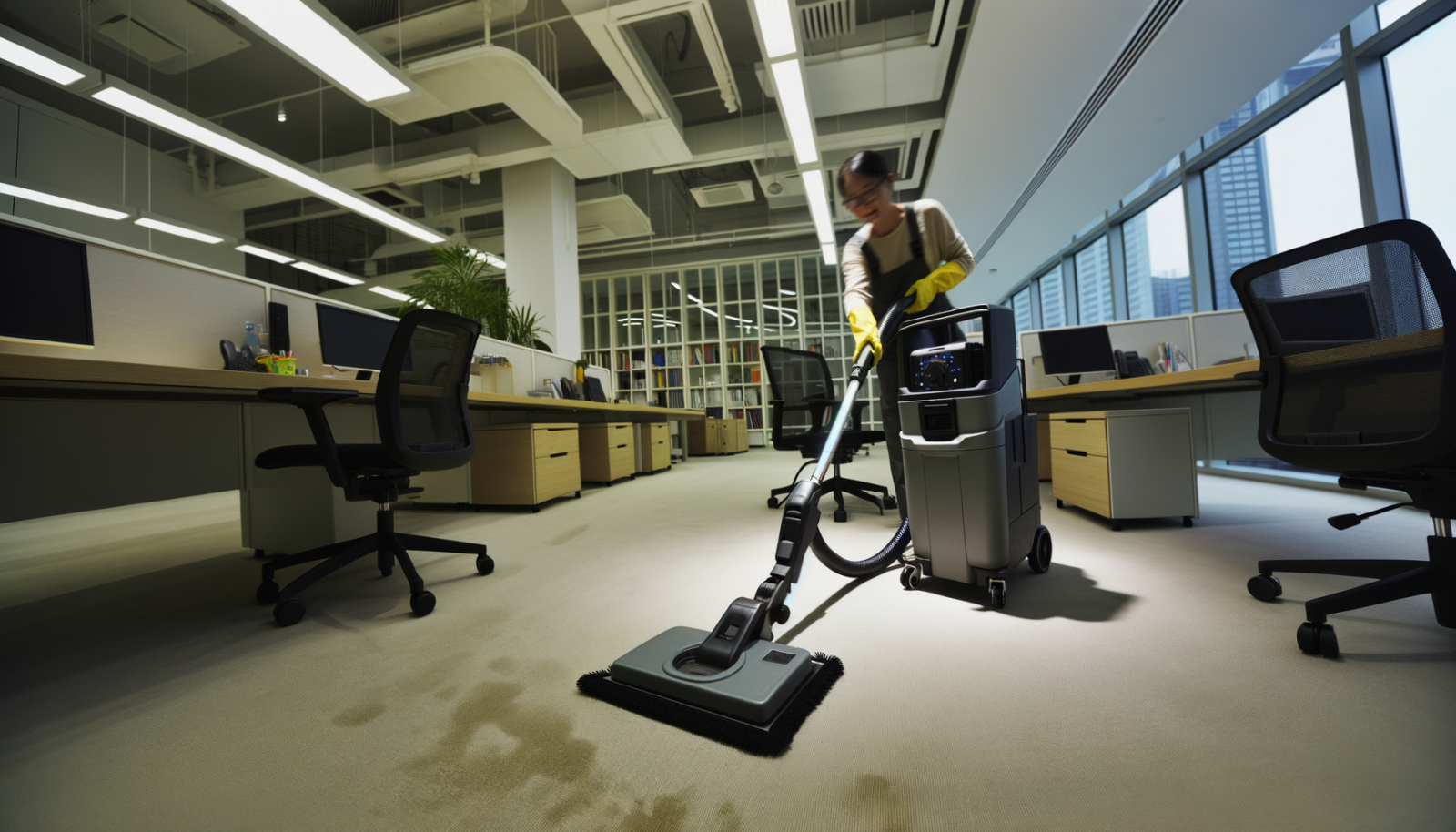
As the demand for effective and sustainable cleaning solutions intensifies, 2026 has emerged as a watershed year for innovative cleaning technologies. The industry is witnessing groundbreaking advancements in automation, robotics, and eco-friendly cleaning agents, reshaping how facilities are maintained. From AI-driven cleaning robots to biodegradable cleaning products, these developments promise to enhance efficiency and sustainability in facility management.
One of the most remarkable advancements in 2026 is the introduction of AI-powered robotic cleaners that utilize advanced machine learning algorithms. Unlike their predecessors, these robots can navigate complex environments with unprecedented accuracy. Leveraging LiDAR technology and 3D mapping, these autonomous cleaners can detect dirt and grime levels in real-time, allowing them to optimize cleaning routes and schedules. The result is a significant reduction in cleaning time, labor costs, and resource consumption, making them an attractive option for large facilities such as hospitals, airports, and corporate offices.
These AI-driven robotic cleaners also come equipped with smart sensors that monitor air quality and surface contamination levels, providing valuable data to facility managers. This capability aligns with the growing trend of data-driven decision-making in facility management, enabling operators to implement targeted cleaning protocols based on real-time information. As a result, businesses can maintain higher hygiene standards while minimizing waste and optimizing resource allocation.
The industry adoption of these technologies is not just limited to large-scale operations. Smaller facilities and even residential cleaning services are beginning to invest in these advanced solutions. According to a recent survey by the Facility Management Association, 72% of facility managers reported an increase in their budgets for cleaning technology in 2026, indicating a shift in priorities toward automation and efficiency. This trend reflects a broader recognition of the importance of cleanliness in the post-pandemic world, where hygiene has become a cornerstone of customer satisfaction and employee well-being.
Moreover, the rise of eco-friendly cleaning solutions continues to gain traction in 2026. Leading manufacturers have developed biodegradable cleaning agents that effectively tackle tough stains and disinfect surfaces without the harmful chemicals typically found in traditional products. These sustainable alternatives are not only better for the environment but also safer for building occupants, further driving their adoption across various sectors.
For instance, GreenClean Solutions, a pioneer in eco-friendly cleaning technologies, has launched a new line of plant-based cleaning products that boast a 90% reduction in environmental impact compared to conventional cleaners. The company reported a 150% increase in sales in the first quarter of 2026, highlighting the growing consumer preference for sustainable options. Facilities using these products have also reported fewer instances of allergic reactions and respiratory issues among employees and visitors, underscoring the health benefits of transitioning to greener cleaning solutions.
Expert insights from industry leaders emphasize the importance of embracing innovative technologies in the cleaning sector. Dr. Emily Chen, an environmental scientist and cleaning technology consultant, states, “The integration of AI and eco-friendly products is not just a trend; it’s a necessary evolution for the cleaning industry. As we face increasing environmental challenges, it’s imperative that facility managers adopt solutions that prioritize sustainability without compromising on cleanliness.”
Case studies further illustrate the transformative impact of these innovations. The City Hospital, for example, implemented a fleet of AI robots alongside GreenClean Solutions’ biodegradable products in early 2026. Within six months, the hospital reported a 40% decrease in cleaning time and a 30% reduction in chemical waste. Patient satisfaction scores also improved significantly, attributed to enhanced cleanliness and reduced odors associated with harsh chemicals.
Looking ahead, the implications of these innovations for cleaning services are profound. As technology continues to evolve, the potential for further advancements in robotic cleaning, real-time data analytics, and sustainable products will likely redefine industry standards. The adoption of these technologies may lead to the emergence of new business models, such as subscription-based cleaning services that prioritize service customization and flexibility.
Additionally, as more companies recognize the financial and environmental benefits of adopting advanced cleaning technologies, we can expect an industry-wide shift toward greener practices. The commitment to sustainability will not only enhance the reputation of cleaning service providers but also attract environmentally conscious clients seeking partners in their sustainability journey.
In conclusion, 2026 marks a pivotal year for the cleaning industry, characterized by innovative technologies and sustainable practices that are reshaping how facilities are cleaned and maintained. As organizations embrace these advancements, the focus on efficiency, safety, and environmental responsibility will drive the future of cleaning services, setting new benchmarks for cleanliness and sustainability in the years to come.


Related Articles
Cleaning Up Green: 2026’s Sustainable Practices Revolutionizing Facility Management
As we step into 2026, the facility management and cleaning sectors are...


Raising the Bar: New Cleaning Service Standards and Certifications Transform the Industry in 2026
As the world grapples with evolving public health challenges and increasing environmental...

Leave a comment