



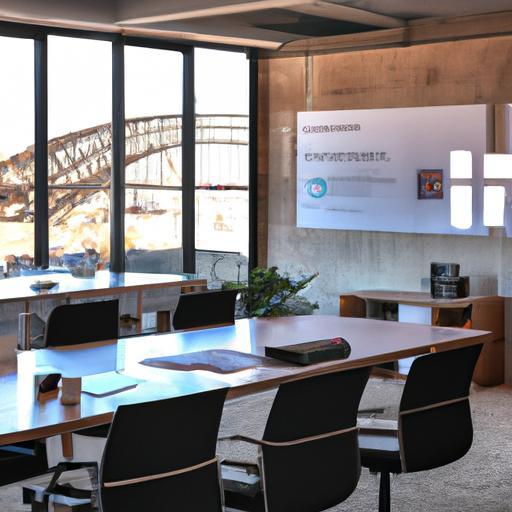
Water Conservation Takes Center Stage in Australia’s Facility Management Industry
As Australia grapples with ongoing climate challenges and dwindling water resources, the facility management and cleaning services industry is undergoing transformative changes aimed at water conservation. In 2026, new regulations and innovative technologies are emerging, reshaping how businesses manage water usage while responding to growing consumer demand for sustainability.Recent reports indicate that water scarcity has reached critical levels in many regions of Australia, prompting both state and federal governments to implement stringent water-saving initiatives. Facility management companies are not only complying with these regulations but proactively adopting water-efficient practices to enhance their competitive advantage. The Australian Government’s new water efficiency standards, set to take effect in mid-2026, specifically target high-water-use sectors, compelling facility managers to rethink their operational strategies. These new standards require businesses to reduce their water consumption by 20% by the end of the decade,a challenge that the facility management industry is gearing up to meet.
The impact of these developments is far-reaching. Leading facility management firms are beginning to integrate advanced water management technologies into their operations.Smart water meters and iot-based monitoring systems are being deployed to provide real-time data on water usage, allowing for immediate adjustments and optimizations. This tech-driven approach not only helps in adhering to the new standards but also contributes to substantial cost savings and operational efficiency. data analytics are increasingly being utilized to forecast water usage, identify leaks, and promote preventive maintenance, further driving down unneeded consumption.
Experts in the field are optimistic about the adaptation of water-saving technologies. Dr. Emily Waters, a researcher at the Australian Institute of facilities Management, emphasizes that embracing cutting-edge solutions can be a game changer. She reveals that many companies are beginning to adopt greywater recycling systems, which can reduce water demand by as much as 30% in commercial settings. The trend towards installing rainwater harvesting systems is also gaining momentum, with facility managers recognizing the dual benefits of conserving water and lowering operational costs.
in response to these challenges, facility managers are adapting their cleaning protocols to align with new water conservation principles. The use of water-efficient cleaning equipment, specialized techniques that require less water, and eco-friendly cleaning agents are becoming standard practice. Additionally, many companies are investing in staff training to ensure that their teams are equipped with the necessary skills to implement these initiatives effectively. This focus on employee education not only aids in compliance with new regulations but also boosts motivation and morale as teams become more engaged in sustainability efforts.
Though, the transition is not without its complexities. Facility managers are facing important challenges in sourcing sustainable products and technologies that comply with the new standards while remaining cost-effective.The market for water-saving solutions is rapidly evolving, but the need for education and support persists. Many facility managers report struggling to identify the most effective solutions, leading to a fragmented landscape in product offerings. As such, industry bodies are stepping up, providing resources and guidance to help companies navigate these changes and implement best practices.Looking ahead, the implications of these developments suggest a more sustainable future for Australia’s facility management and cleaning services industry. As state and federal regulations continue to evolve, organizations willing to invest in innovative water-conservation technologies will likely see enhanced reputation and customer loyalty. The integration of water-efficient practices is expected to become not just a regulatory requirement but a key aspect of corporate social responsibility.
the shift towards water conservation within the facility management and cleaning services sector presents both challenges and opportunities. While 2026 marks a pivotal point in the industry’s evolution, the commitment to sustainability will likely play a vital role in shaping market dynamics well into the future. as firms adapt to these changes, water conservation will not just be an obligation, but will become an essential element of operational excellence, ultimately benefiting both the habitat and the bottom line.



Related Articles
IoT integration – Facility Management Industry Update
IoT Revolutionizes Facility Management adn Cleaning Services in 2026 In 2026, the...
data-driven cleaning – Cleaning Services Industry Update
Data-Driven Cleaning Revolutionizes Facility Management in 2026 As facility management and cleaning...

contract cleaning – United Kingdom Industry Update
revolutionary Innovations Reshape Contract Cleaning in UK Facility Management As 2026 unfolds,...



climate adaptation – Europe Industry Update
Climate Adaptation at Forefront of Facility Management in Europe In 2026, European...

Leave a comment