



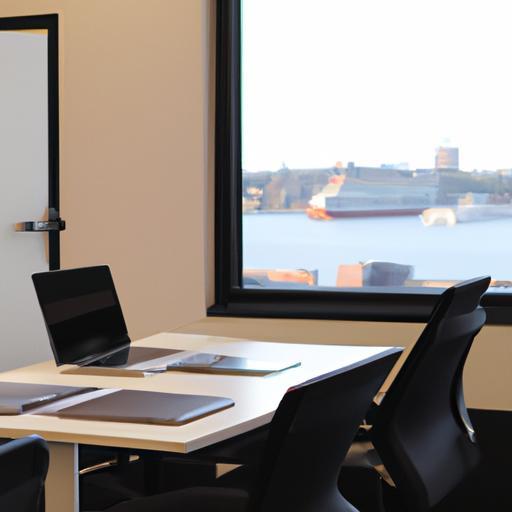
Green Facilities Gain Momentum in Australian Facility Management Sector
As the Australian facility management and cleaning services industry evolves in 2026, green practices are taking center stage, driven by new regulations, technological advancements, and a heightened focus on sustainable operation. Many organizations are prioritizing eco-kind initiatives in their strategies, showcasing a commitment to environmental duty and operational efficiency.
In recent months, a series of regulatory changes introduced by the Australian government have further solidified the push towards sustainability. the National Australian Built Environment Rating System (NABERS) has rolled out enhancements aimed at promoting energy efficiency and water conservation in commercial buildings. the updated standards require facilities to meet stricter criteria, with penalties imposed on non-compliant organizations. This regulatory landscape creates urgency among facility managers to innovate and adapt, fundamentally shifting the industry towards greener alternatives.
Alongside regulatory frameworks, technological innovations are shaping how facility management companies approach sustainability. 2026 has seen the introduction of advanced building management systems (BMS) integrated with artificial intelligence (AI) and IoT. These technologies facilitate real-time monitoring of energy usage and occupancy levels, allowing facility managers to optimize operational efficiency and reduce waste significantly. Moreover, predictive maintenance tools are emerging, which leverage machine learning to forecast equipment failures before they occur, thus minimizing downtime and further reducing resource consumption.
The current market conditions add an extra layer of complexity to these sustainability efforts. While the push for green facilities is gaining traction, facility management companies are still grappling with the rising costs associated with eco-friendly materials and technologies. The recent spike in inflation and supply chain disruptions have raised concerns regarding the affordability and availability of high-quality sustainable products. Still, experts believe that investing in green facilities could yield long-term economic benefits, including lower operational costs and enhanced building values.
Industry leaders are optimistic about the commitment to green facilities, pointing to recent initiatives undertaken by major corporations. As a notable example, several large property developers are adopting net-zero energy standards in their new builds starting in 2026. These standards dictate that buildings must generate as much energy as they consume over a year. Such measures aim not only to comply with environmental regulations but also to attract tenants who prioritize sustainability as a criterion in their leasing decisions.
Apart from policy changes and innovations, the success of green facilities hinges on inclusive practices. Experts emphasize the importance of engaging stakeholders—employees, tenants, and communities—in sustainability initiatives. Educational programs aimed at fostering an understanding of environmental responsibility have become increasingly vital. Facility managers are encouraged to implement training sessions that inform staff about eco-friendly practices and the rationale behind the shifts toward greener operations.
For facility managers navigating this evolving landscape, practical implications are abundant.The integration of BMS solutions requires an initial investment; however, the payoffs in terms of energy savings and potential government incentives can provide a compelling case. additionally, facility managers must assess their vendor relationships to ensure that suppliers are aligned with sustainability goals. By collaborating with ecologically responsible vendors, companies can enhance their overall green credentials while supporting the local economy.
Furthermore, embracing a lifecycle approach to resource management will play a critical role in successfully implementing green practices. Facility managers should collaborate with architects and designers early in the planning process to incorporate sustainable materials and design principles from the outset. Understanding the environmental impact of every element—from construction materials to operational processes—will pave the way toward a genuinely sustainable facility.
Looking ahead, the trajectory for green facilities in the Australian market appears promising. As consumer demand for sustainable practices grows, facility management companies that proactively adopt green initiatives will likely gain a competitive edge. The evolution of workplace norms, coupled with a shift in corporate responsibility, will continue to spur investment in clean technologies and sustainable operations.
As the facility management sector progresses into the latter half of 2026, the integration of green practices will not only become a regulatory necessity but could also transform into a strategic advantage. Organizations willing to adapt and innovate will position themselves not just as leaders in sustainability but as pioneers of a new standard in facility management, reshaping how the industry views its role in environmental stewardship. With collaborative efforts and a clear focus on sustainability, the future of green facilities in Australia is bright and full of potential.



Related Articles
building analytics – Facility Management Industry Update
Building Analytics Take Center Stage as Facility Management Innovates in 2026 In...
real-time monitoring – Cleaning Services Industry Update
Real-Time Monitoring Revolutionizes Cleaning Services in 2026 In a significant advancement for...
professional services – United Kingdom Industry Update
Innovative Technologies and Regulatory Changes Reshape UK Facility Management Landscape in 2026...


climate adaptation – Europe Industry Update
Climate Adaptation Takes Center Stage in Europe’s Facility Management and Cleaning Services...

Leave a comment