



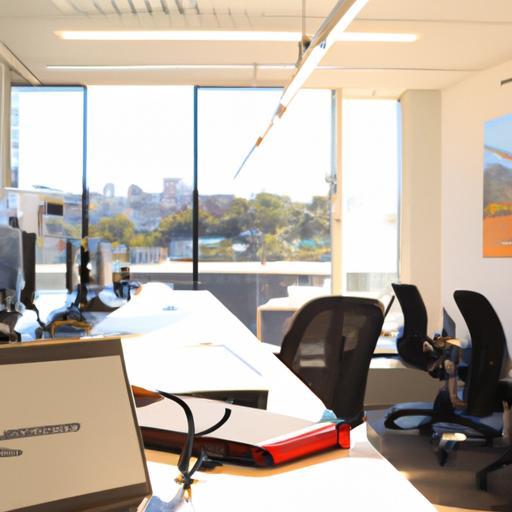
Healthy Buildings Revolutionize Facility Management in Australia
In 2026, Australia’s facility management and cleaning services industry is undergoing a meaningful conversion, prioritizing teh creation of healthy buildings that enhance occupant well-being and environmental sustainability. With recent regulatory frameworks and innovative technologies coming too fruition, industry stakeholders are keenly navigating this evolving landscape, aiming to meet rising expectations from tenants and policymakers alike.
The australian government’s recent adoption of the Healthy Buildings Initiative underscores this shift,promoting guidelines that mandate improved indoor air quality,natural lighting,and biophilic design in new constructions and renovations. These regulations, supported by research linking healthy environments to increased productivity and decreased health-related absenteeism, have been welcomed by facility managers and cleaning service providers alike. The goal is not just to comply with standards but to exceed them, fostering spaces that genuinely contribute to well-being.
Market conditions are further complicated by the ongoing challenges of the post-pandemic world, where occupants are especially mindful of the health quality of the buildings they inhabit. According to the Australian Facilities Management Association (AFMA), there is an increased demand for services that create and maintain healthy environments. Facilities managers face the dual challenge of integrating innovative solutions while addressing expectations for sustainability, all within a tight budget amid fluctuating operational costs and supply chain disruptions.Recent trends indicate a robust adoption of smart building technologies. Facility managers are increasingly investing in integrated systems that monitor air quality, temperature, and humidity—allowing for real-time adjustments that enhance the living and working experience.For instance, the implementation of IoT sensors has gained traction, allowing for continuous monitoring of air particulate matter and volatile organic compounds (VOCs). These smart systems not only ensure compliance with health guidelines but also provide data analytics that inform ongoing operational strategies.
In parallel, advancements in cleaning technologies are addressing both efficacy and environmental considerations. The introduction of eco-friendly cleaning solutions and methods—like electrostatic sprayers and UV-C light systems—are becoming staples within the industry. These innovations help to reduce the use of harsh chemicals, mitigating their impact on both occupant health and the environment. The move toward lasting cleaning practices is bolstered by certifications such as Green star, encouraging facilities managers to adopt processes that align with eco-conscious aspirations.
industry experts highlight that while the transition toward health-focused buildings presents numerous opportunities, it also calls for a proactive and informed approach. “The key to adapting in this rapidly evolving landscape is comprehensive training for facility management teams,” explains Marie Thompson, a renowned facilities consultant.”As technology and regulations change, continuous professional development becomes critical in ensuring compliance and effective operational management.”
The practical implications of these trends are manifold for facility managers. For one,they must re-evaluate maintenance schedules and cleaning protocols to align with the new standards emphasized by the Healthy Buildings Initiative.This includes determining optimal frequencies for cleaning based on occupancy rates and redesigning workflows that incorporate health-oriented practices. Moreover, as tenant expectations increase, managers must enhance interaction regarding health measures—such transparency can elevate trust and satisfaction levels among occupants.
navigating budget constraints remains a crucial issue. Investment in new technologies and processes can strain financial resources, yet industry analysts argue that the ROI from healthier environments—visible in productivity improvements and reduced turnover—justifies initial expenditures. Facility managers are also encouraged to leverage government grants aimed at promoting green technologies, perhaps easing the financial burden of these essential upgrades.Looking ahead, the Australian facility management industry is on the cusp of what some are calling the “Next-Generation Healthy building Standard.” Expected to be released later this year, this standard promises to further codify health and safety protocols, driving stronger alignment among industry stakeholders. Australia’s commitment to the World Health Organization’s Health-Optimizing Building initiative signals a forward-thinking approach that prioritizes occupant welfare as a fundamental goal.
the focus on healthy buildings is not merely a passing trend but a foundational shift in Australia’s facility management and cleaning services industry. By embracing regulatory changes, investing in innovative technologies, and adapting to the demands of a health-conscious market, facility managers are well-positioned to lead their organizations into a new era. The commitment to creating healthier environments not only meets current regulatory expectations but also sets the stage for a future where occupants thrive in spaces designed with their well-being in mind.



Related Articles
energy management – Facility Management Industry Update
Energy Management Innovations Reshape Facility Management in 2026 In 2026, the facility...
predictive cleaning – Cleaning Services Industry Update
Predictive Cleaning Revolutionizes Facility Management in 2026 In 2026, predictive cleaning technology...
workplace sanitation – United Kingdom Industry Update
Workplace Sanitation in the UK: Innovations and Trends Shaping the Future of...


ESG reporting – Europe Industry Update
ESG Reporting Gains Traction in Europe’s Facility Management Industry In 2026, the...

Leave a comment