


Cleaning Up Green: 2026’s Sustainable Practices Revolutionizing Facility Management
 FacilicomFebruary 15, 20263 Mins read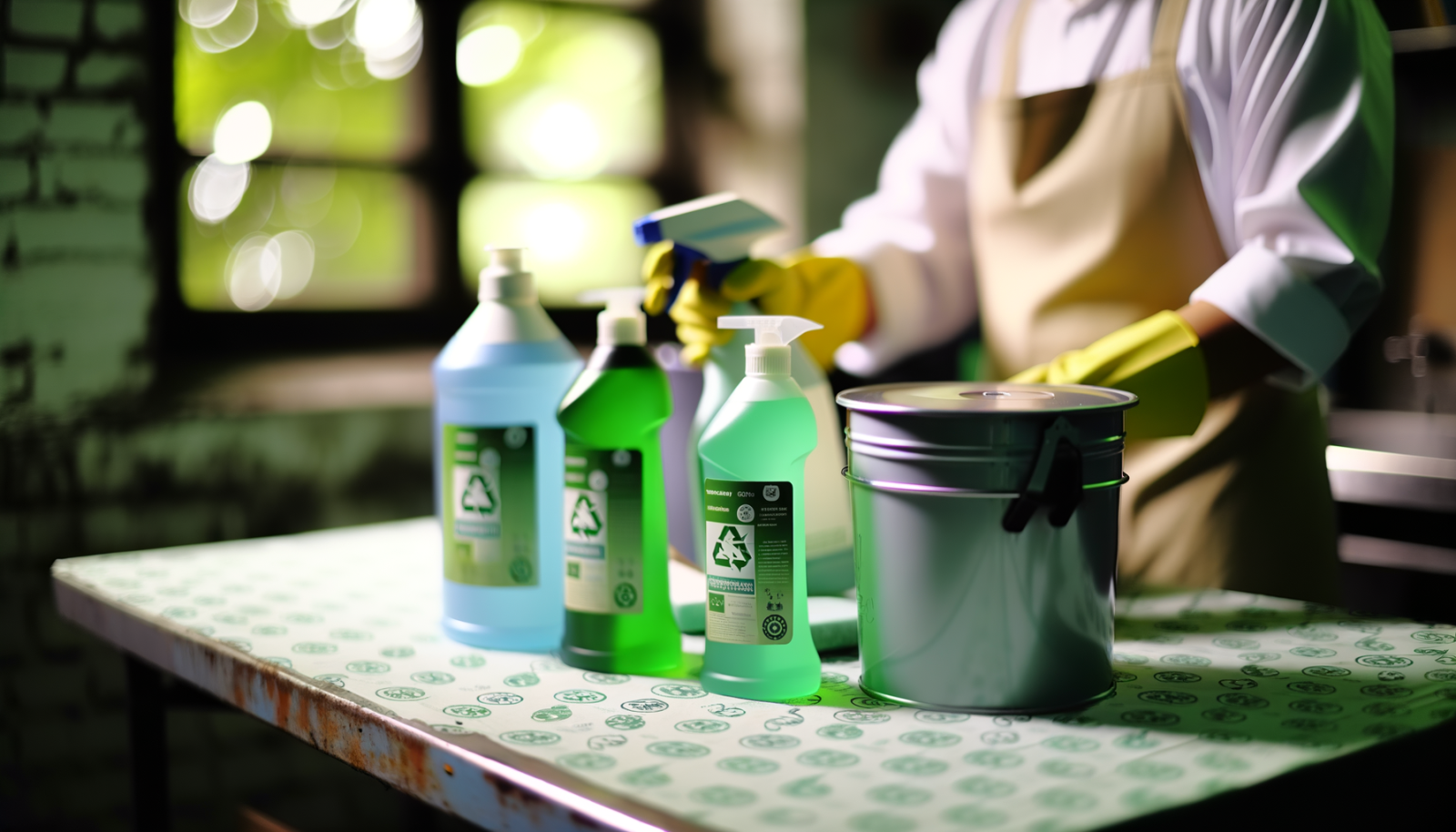
As we step into 2026, the facility management and cleaning sectors are experiencing a monumental shift towards sustainable practices that prioritize environmental integrity and public health. With increasing awareness of climate change and the urgent need for ecological responsibility, the industry is embracing green cleaning initiatives that not only minimize carbon footprints but also enhance indoor air quality and overall well-being.
Latest Green Cleaning Initiatives and Trends
One of the most significant trends in 2026 is the widespread adoption of the Green Cleaning Alliance, an initiative launched by a coalition of facility management companies dedicated to promoting sustainable cleaning practices. The alliance focuses on educating cleaning personnel about eco-friendly methods, integrating sustainable procurement policies, and establishing stringent environmental standards. This initiative is supported by a framework of sustainability certifications, such as LEED (Leadership in Energy and Environmental Design), EcoLogo, and Green Seal, which provide measurable benchmarks for facilities striving to enhance their environmental performance.
Environmental Benefits and Impact
The transition to green cleaning practices is yielding substantial environmental benefits. By utilizing biodegradable cleaning agents and reducing reliance on harsh chemicals, facilities are dramatically decreasing their ecological footprints. Recent studies indicate that adopting eco-friendly cleaning methods can reduce harmful chemical emissions by up to 50%, significantly improving indoor air quality. This is a crucial advancement, as poor air quality is linked to numerous health issues, including respiratory problems and allergies.
Moreover, the environmental impact of sustainable cleaning extends beyond chemical usage. The Carbon Neutral Cleaning Initiative launched in 2026 aims to offset carbon emissions from cleaning operations through reforestation projects and renewable energy investments. This initiative not only reduces the carbon footprint of cleaning activities but also promotes a broader understanding of sustainability within the community.
Product Innovations and Alternatives
In 2026, product innovations in the cleaning industry are at the forefront of the green revolution. Companies are increasingly developing plant-based and enzyme-based cleaners that are not only effective but also safe for users and the environment. These products often come in concentrated forms, reducing packaging waste and transportation emissions.
Additionally, the rise of microfiber technology has transformed cleaning methods. Microfiber cloths and mops can capture dirt and bacteria using only water, eliminating the need for chemical detergents. This innovative approach not only contributes to a cleaner environment but also reduces the amount of waste generated from disposable cleaning supplies.
In line with sustainable practices, many companies are also transitioning to automated cleaning solutions that utilize robotics and AI for efficiency. These systems can optimize cleaning schedules and routes, further reducing energy consumption and increasing operational efficiency. With automation, facilities can achieve higher cleaning standards while minimizing their environmental impact.
Industry Adoption and Success Stories
The response to sustainable cleaning initiatives has been overwhelmingly positive across various sectors. Notably, the Green Clean Schools Initiative, which targets educational facilities, has seen over 1,000 schools across the United States adopt green cleaning practices in 2026. These schools report improved student attendance and health outcomes, attributing these benefits to the enhanced indoor air quality resulting from eco-friendly cleaning methods.
Similarly, major corporations such as Google and Microsoft have integrated sustainable cleaning practices into their corporate responsibility frameworks. By partnering with eco-conscious cleaning service providers, these tech giants have not only reduced their operational carbon footprints but have also inspired other businesses to follow suit. Google’s commitment to sustainability has led to a 30% reduction in cleaning-related emissions since adopting a green cleaning strategy, showcasing the tangible benefits of these practices.
Future of Sustainable Cleaning
Looking ahead, the future of sustainable cleaning is bright, with continued innovation and commitment to environmental stewardship. As more companies recognize the financial and health benefits of adopting green cleaning practices, we can expect a broader shift towards sustainability across the entire facility management industry.
The development of new sustainability standards, such as the Global Sustainability Standards for Cleaning Services (GSSCS), is on the horizon, promising to unify eco-friendly practices worldwide. These standards will provide a framework for measuring sustainability efforts and encouraging transparency in cleaning operations.
Moreover, advancements in technology, such as smart cleaning systems that leverage IoT (Internet of Things) for real-time monitoring and analysis, will further enhance the effectiveness of sustainable cleaning practices. These systems will enable facilities to adapt and optimize their cleaning operations based on usage patterns, ensuring that resources are used efficiently.
In conclusion, 2026 marks a pivotal year for sustainable cleaning practices within the facility management industry. As eco-friendly methods, products, and innovations gain traction, we are witnessing a transformation that not only benefits the environment but also fosters healthier spaces for individuals and communities. The commitment to green cleaning is not just a trend; it is a necessary evolution towards a more sustainable future.


Related Articles
Raising the Bar: New Cleaning Service Standards and Certifications Transform the Industry in 2026
As the world grapples with evolving public health challenges and increasing environmental...


Revolutionizing Clean: Innovative Technologies Transforming the Cleaning Industry in 2026
As the demand for effective and sustainable cleaning solutions intensifies, 2026 has...

Leave a comment