


Facility Management in 2026: A New Era of Energy Efficiency and Sustainability
 FacilicomFebruary 15, 20263 Mins read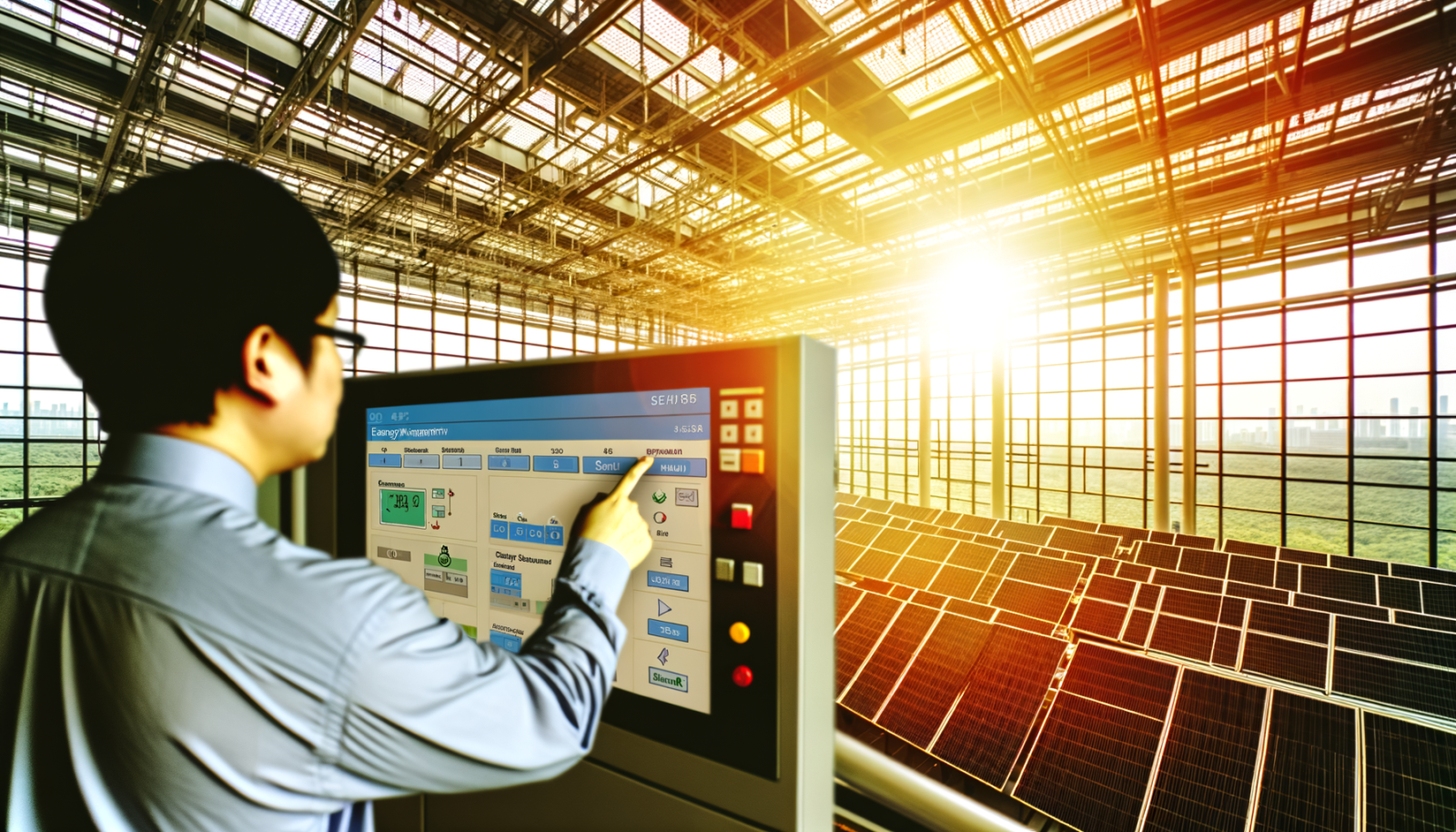
As the world continues to grapple with the repercussions of climate change, the facility management sector is stepping up to the plate with innovative energy efficiency initiatives and sustainability practices. In 2026, organizations across the globe are increasingly adopting advanced energy management systems and integrating green building practices into their operations, aligning with ambitious carbon neutrality goals and leveraging renewable energy sources. This transformative approach is not just about compliance; it’s about seizing the opportunity for significant cost savings and reducing the environmental impact of facilities.
Latest Energy Efficiency Innovation
One of the most groundbreaking innovations in 2026 is the integration of Artificial Intelligence (AI) into energy management systems (EMS). These systems now utilize sophisticated algorithms to analyze real-time data from building operations, including HVAC systems, lighting, and occupancy patterns. By harnessing machine learning, these systems can autonomously adjust energy use, optimizing consumption and minimizing waste. For instance, a facility can automatically reduce heating or cooling in unoccupied areas, leading to substantial reductions in energy usage.
Moreover, the incorporation of Internet of Things (IoT) technology further enhances the capabilities of EMS. Smart sensors monitor environmental conditions, energy consumption, and equipment performance, providing managers with actionable insights that were previously unattainable. This real-time feedback loop allows facility managers to make data-driven decisions that align with sustainability goals.
Technology and Methodology
The methodology employed in 2026 emphasizes a holistic approach to sustainability, where energy efficiency is woven into every aspect of facility management. This includes the adoption of green building practices such as LEED (Leadership in Energy and Environmental Design) certification, which encourages the use of sustainable materials, energy-efficient systems, and water conservation measures.
Facility managers are also increasingly employing renewable energy solutions, such as solar panels and wind turbines, to power their buildings. Many are taking advantage of government incentives and tax rebates that support the installation of renewable energy systems. Notably, the trend towards energy storage solutions, including advanced battery technologies, enables facilities to store excess energy generated during peak production times for use during high-demand periods, further reducing reliance on non-renewable sources.
Environmental and Financial Benefits
The environmental benefits of these initiatives are profound. According to the Global Facility Management Association, facilities that implement EMS and green building practices have reported a reduction in energy consumption by up to 40%. This translates into a significant decrease in greenhouse gas emissions, contributing to the broader goal of carbon neutrality by 2050.
Financially, organizations are reaping the rewards. An analysis of facility management practices indicated that companies investing in energy efficiency measures can save an average of 30% on energy costs annually. With energy prices expected to rise in the coming years, these savings are becoming increasingly vital for maintaining profitability. Furthermore, many organizations have found that sustainable practices enhance their marketability and brand reputation, attracting environmentally conscious consumers and investors.
Industry Case Studies and Results
Several organizations have already reaped the benefits of these innovative sustainability initiatives. For example, a leading healthcare provider in the United States implemented a comprehensive energy management system across its facilities in 2026, resulting in a remarkable 35% reduction in energy usage within the first year. The facility also transitioned to a 100% renewable energy model, significantly lowering its carbon footprint and earning recognition for its commitment to sustainability.
Another case study involves a multinational corporation that integrated smart building technologies into its corporate headquarters. By utilizing IoT sensors and AI-driven analytics, the corporation achieved an overall energy reduction of 45%, while also improving indoor air quality and employee satisfaction. The transition to renewable energy sources further positioned the company as a leader in corporate sustainability, enhancing its market competitiveness.
Future Sustainability Trends
Looking ahead, the facility management industry is poised for continued evolution in sustainability practices. In 2026, a growing emphasis on circular economy principles is expected to reshape facility management strategies. This approach advocates for the reuse and recycling of materials to minimize waste and reduce the demand for new resources.
Moreover, as organizations strive for greater transparency in their sustainability efforts, the demand for standardized reporting frameworks is likely to increase. Facility managers will need to track and report on their sustainability metrics, providing stakeholders with clear insights into their environmental impact and progress towards achieving carbon neutrality.
Lastly, the convergence of sustainability and technology is set to deepen, with innovations in blockchain technology enabling more secure and transparent tracking of renewable energy credits and carbon offsets. This could revolutionize how organizations measure and report their sustainability achievements.
In conclusion, as we advance through 2026, the facility management sector is not only responding to the urgent call for sustainability but is also leading the charge. By leveraging advanced energy management systems, adopting green building practices, and committing to renewable energy, organizations are making significant strides toward cost savings and environmental impact reduction. The future of facility management looks bright, and the ongoing evolution of sustainability will continue to shape the industry for years to come.



Related Articles

Enhanced Health and Safety Regulations Shape the Future of Facility Management in 2026
As we navigate the complex landscape of workplace health and safety in...



Revolutionizing Facility Management: The Rise of Smart Building Technologies in 2026
As the world continues to evolve in the digital age, smart building...

Leave a comment