


Raising the Bar: New Cleaning Service Standards and Certifications Transform the Industry in 2026
 FacilicomFebruary 15, 20262 Mins read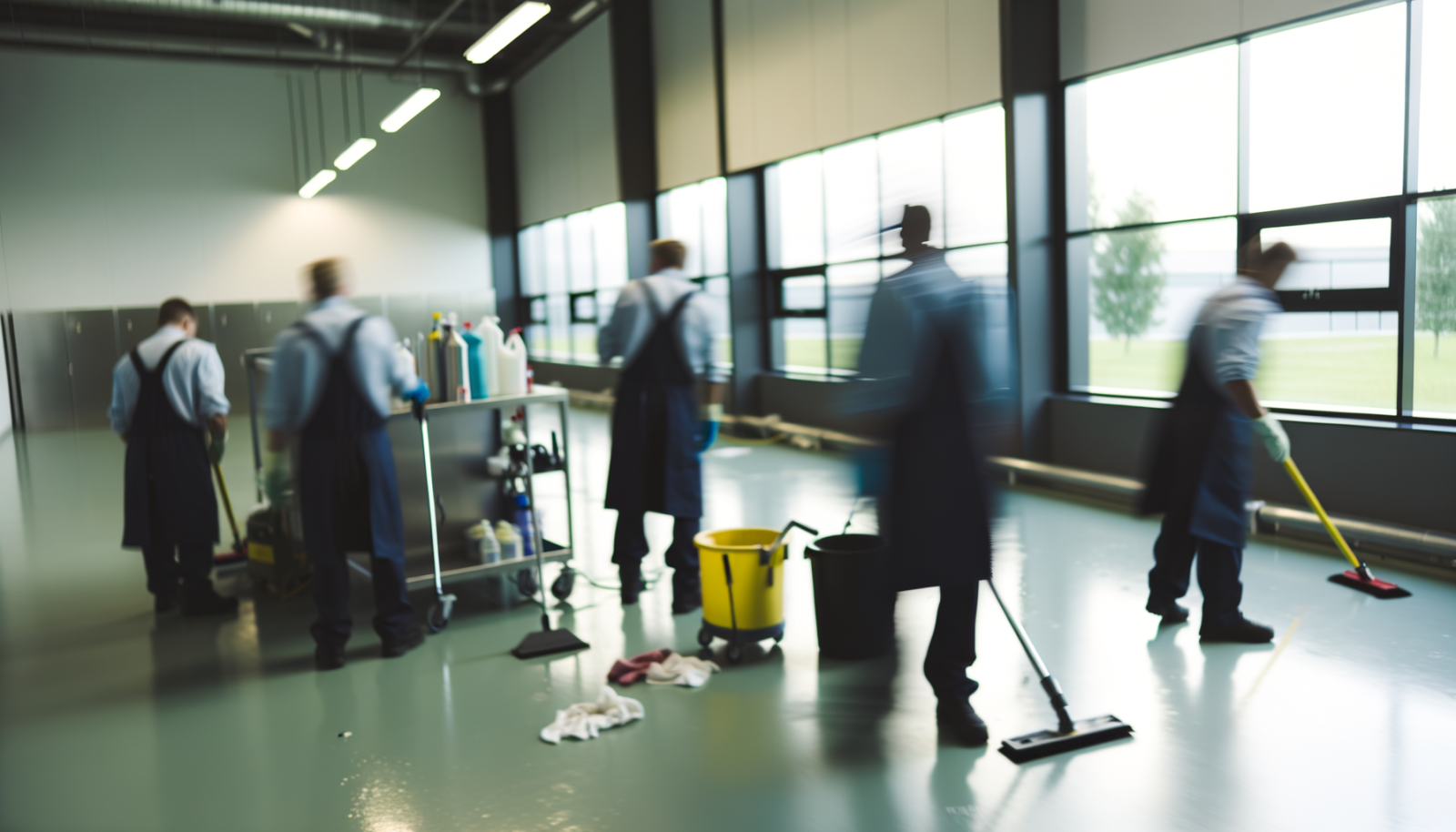
As the world grapples with evolving public health challenges and increasing environmental awareness, the professional cleaning industry is experiencing a seismic shift in standards and certifications. In 2026, a comprehensive overhaul of cleaning service regulations and compliance requirements aims to enhance service delivery, ensure safety, and promote sustainability across the sector.
The International Standards Organization (ISO) has introduced the ISO 45001:2026, a standard focused on occupational health and safety management specifically tailored for cleaning service providers. This new certification emphasizes risk assessment, employee well-being, and the implementation of best practices to mitigate workplace hazards. In conjunction with this, the Green Seal Certification has expanded its criteria to include new eco-friendly cleaning practices, solidifying its commitment to sustainability while also addressing consumer demand for environmentally responsible services.
The impact of these updated standards on cleaning service providers is significant. Companies are now required to adopt rigorous training programs aimed at ensuring compliance with the latest health, safety, and environmental protocols. This entails not only a comprehensive understanding of the new regulations but also the integration of advanced cleaning technologies and methodologies. For instance, the adoption of electrostatic sprayers and UV-C disinfection devices has become standard practice, enhancing cleaning efficacy while minimizing chemical usage.
Compliance with these new regulations is not merely a checkbox exercise; it brings substantial benefits to service providers. Companies that achieve ISO 45001:2026 certification can expect improved workplace safety metrics, reduced insurance costs, and a competitive edge in the marketplace. Furthermore, the incorporation of Green Seal standards allows cleaning firms to attract environmentally conscious clients, expanding their customer base and enhancing brand loyalty.
The industry response to these changes has been overwhelmingly positive, with many providers reporting an increased investment in training and development for their staff. According to a recent survey conducted by Facilicom, over 75% of cleaning companies have initiated training programs focused on the new standards, with a particular emphasis on health and safety protocols. In addition, many firms are collaborating with training organizations to develop tailored courses that align with the updated certification requirements.
Adoption rates of these new standards have shown a promising upward trajectory. By mid-2026, it is estimated that nearly 60% of cleaning service providers will have achieved ISO 45001:2026 certification, while over 50% have already begun the process of obtaining the updated Green Seal Certification. This trend indicates a broader commitment within the industry to elevate service quality and operational efficiency.
The implications for service quality are profound. As cleaning service providers align with these new regulations, clients can expect a marked improvement in service delivery. Enhanced training programs not only equip staff with the necessary skills to execute cleaning tasks effectively but also instill a culture of safety and accountability. This, in turn, fosters trust and satisfaction among clients, who are increasingly prioritizing cleanliness and safety in their operational environments.
Moreover, the emphasis on sustainability through Green Seal Certification reinforces the industry’s responsibility to protect the environment. Cleaning companies are now adopting greener products, reducing waste, and implementing water and energy-saving practices, resulting in a more sustainable approach to facility management.
In conclusion, the professional cleaning industry in 2026 is witnessing a pivotal transformation driven by new standards and certifications. The introduction of ISO 45001:2026 and the evolution of Green Seal Certification represent a commitment to quality, safety, and sustainability. As cleaning service providers adapt to these changes through comprehensive training and compliance initiatives, the overall service quality is set to improve significantly, benefiting both providers and clients alike. The future of professional cleaning is not just about cleanliness; it’s about creating safer, healthier, and more sustainable environments for all.

Related Articles
Cleaning Up Green: 2026’s Sustainable Practices Revolutionizing Facility Management
As we step into 2026, the facility management and cleaning sectors are...


Revolutionizing Clean: Innovative Technologies Transforming the Cleaning Industry in 2026
As the demand for effective and sustainable cleaning solutions intensifies, 2026 has...

Leave a comment