



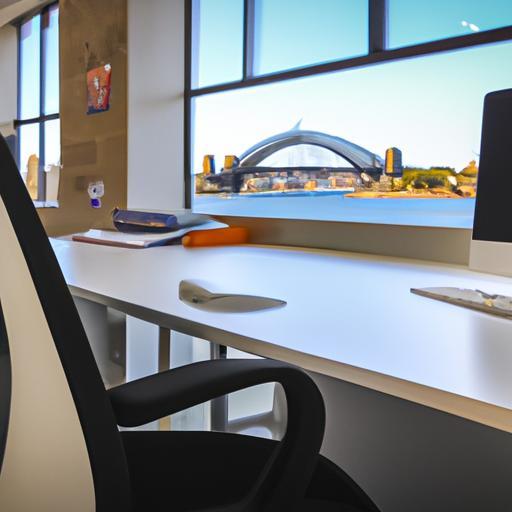
Green Facilities revolutionizing Australia’s Facility Management and Cleaning Services
As 2026 unfolds,Australia’s facility management and cleaning services industry is witnessing a significant transformation driven by innovations in green facilities management. New trends, regulatory changes, and technological advancements are setting the tone for a more lasting future, with the emergence of environmentally kind practices gaining unprecedented momentum.
In recent months, significant legislative updates have mandated stricter emissions reduction targets across Australian industries. The Australian Government has introduced the Green Facilities Framework (GFF), a thorough set of guidelines designed to standardize sustainability practices in facility management by 2026. This initiative reflects both public sentiment and a corporate responsibility to combat climate change, pushing facility managers to adopt greener technologies and operational methods to stay compliant and competitive.
The GFF outlines specific benchmarks for energy efficiency, waste reduction, and sustainable procurement. Consequently, facility management companies are starting to rethink their cleaning products, introducing eco-friendly chemicals and sustainable materials that minimize environmental impact. This shift is further accelerated by rising consumer awareness and expectations for sustainability, compelling businesses to not only comply but also innovate in their service offerings.
With these initiatives come industry challenges, notably as businesses strive to balance sustainability with cost-effectiveness. Transitioning to green cleaning solutions often requires up-front investment and staff retraining, which can be a barrier for smaller companies. However, larger firms are leading the way, employing advanced technologies such as artificial intelligence and machine learning to optimize resource use and improve efficiencies. These systems can analyze operational data to identify wasteful practices and recommend greener alternatives, thereby enhancing productivity while reducing environmental footprints.
Experts in the field note that the trend towards greener facilities represents not just an ethical shift but also a significant business possibility. “The GFF is a game-changer for the industry.Those who adapt early will not only meet emerging regulatory requirements but also position themselves as leaders in sustainability,” says Dr. emma Reynolds, a sustainability consultant with over fifteen years of experience in the Australian facilities management market. “Consumer loyalty is increasingly tied to a company’s environmental strategies. Facility managers who fail to adopt green practices risk losing their competitive edge.”
In practical terms, facility managers are being urged to rethink their procurement strategies, opting for products and services that align with GFF standards. This includes selecting suppliers who demonstrate a commitment to sustainability, from environmentally friendly cleaning supplies to energy-efficient equipment. Additionally, facilities are now investing in smart technologies—such as IoT sensors—that facilitate real-time monitoring of energy usage and indoor environmental quality, ensuring they not only minimize waste but also enhance occupant satisfaction.
Moreover,organizations are finding value in employee engagement strategies that focus on sustainability. Staff education programs around best practices in resource conservation and waste management can significantly amplify a facility’s green initiatives, fostering a culture of environmental responsibility throughout the organization. Facility managers are recognizing that empowering employees to contribute to sustainability efforts leads to not only compliance but also an enhanced corporate image.
As we look towards the future, several trends are likely to shape the landscape of facility management and cleaning services in Australia.Continued advancements in green technologies, such as biodegradable cleaning agents and energy-efficient cleaning equipment, are expected to reduce reliance on harmful materials. Additionally, the integration of sustainability metrics into performance evaluations will become increasingly common, with facility managers incentivized to achieve and maintain high standards.
The future of facility management in Australia is undoubtedly green. As the implementation of the Green Facilities Framework gains traction, the industry is poised to make significant strides towards sustainability. Facility managers who embrace these changes will not only contribute to a healthier planet but also gain a competitive advantage in a market that is rapidly evolving towards sustainability.
With ongoing innovations and a regulatory landscape that continues to promote green practices, the momentum towards environmentally sustainable operations will likely strengthen, demonstrating the critical intersection between effective facility management and ecological stewardship in Australia’s facility management and cleaning services industry.


Related Articles
remote monitoring – Facility Management Industry Update
Remote Monitoring Technologies Transform Facility Management Landscape in 2026 In 2026, the...
automated cleaning – Cleaning Services Industry Update
Rise of Automated Cleaning Technologies Transforming Facility Management in 2026 In 2026,...
contract cleaning – United Kingdom Industry Update
Growing Demand for Eco-pleasant Contract cleaning Solutions Shapes UK Facility Management Landscape...


sustainable supply chains – Europe Industry Update
Sustainable Supply Chains Redefining Facility Management in Europe The facility management and...

Leave a comment