



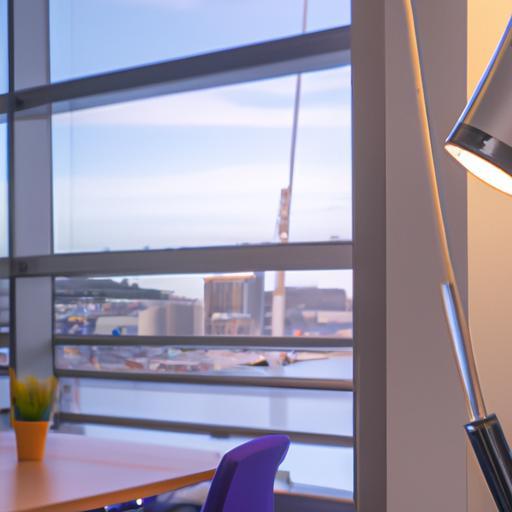
Biophilic Design Gains Momentum in New Zealand’s Facility Management Sector
As New Zealand’s facility management and cleaning services industry evolves, 2026 has seen a significant rise in the adoption of biophilic design principles. This trend, dedicated to creating a connection between indoor spaces and nature, is becoming a vital strategy for enhancing workplace well-being and sustainability, responding to an increasingly environmentally-conscious clientele.
The push for biophilic design aligns wiht the core values of many organizations in New Zealand, particularly as businesses strive to promote employee health, productivity, and overall satisfaction.Market research reveals that incorporating natural elements, such as plants, natural lighting, and organic materials, is enhancing the aesthetic appeal of commercial spaces and making them more conducive to employee engagement. Given heightened awareness around mental health and sustainability, the facility management industry is slowly pivoting to integrate these elements into their service offerings.
An extensive review of current industry conditions shows an increasing awareness among facility managers regarding the benefits of biophilic design. For instance, the New Zealand Green Building Council (NZGBC) has recognized the potential of biophilic design in its updated Green Star ratings for commercial buildings in 2026, incorporating specific criteria that encourage developers to enhance the natural aspects of their interiors. This policy change is responding to rising regulatory pressures aimed at creating healthier environments and reducing carbon footprints,which has lead many facility managers to reconsider their design frameworks.
Industry experts are increasingly endorsing this shift towards nature-inspired workspaces. According to a report from the Facility Management Association of New Zealand (FMANZ), nearly 70% of facility managers now recognize biophilic design as a critical factor in modern facility management practices.This growing visibility is evident in upcoming initiatives, including partnerships with landscape architects to redesign office spaces that incorporate both aesthetic and functional natural elements, such as indoor gardens and living walls.
The potential benefits of biophilic design extend beyond aesthetics; research indicates that integrating natural elements can lead to significant productivity increases — perhaps enhancing employee output by up to 15%. Facility managers are now tasked with developing cleaning and maintenance protocols that harmonize with these designs, using eco-friendly products that adhere to the principles of sustainability that biophilic design champions.
As organizations increasingly adopt open-plan offices and flexible workspaces, facility managers find themselves navigating new challenges in cleanliness and maintenance. Biophilic environments often require more frequent cleaning to maintain the health of plants and natural features, creating additional demands on cleaning schedules and staff training.To meet these challenges, some facility managers are investing in smart technology, such as automated irrigation systems for indoor plants and apps that monitor indoor air quality to ensure healthy environments. These innovations serve not only to ease the burden on facility staff but also to showcase a commitment to sustainability.
Looking ahead, the industry anticipates greater regulatory alignment with biophilic design initiatives. The government is likely to promote standards that require transparency in the lifecycle of materials and greater accountability for stakeholder environmental impacts. The 2026 “Enduring Advancement goals” initiative, part of broader national efforts to fortify ecological accountability, is also expected to feature biophilic principles, further pushing facility managers to adapt to these evolving demands.
biophilic design is not merely a trend but a transformative principle poised to shape the future of facility management in new Zealand. With increased regulatory support, market demand for healthier work environments, and innovative practices taking root, biophilic design stands at the forefront of creating spaces that are not only functional but also rich in vitality. As facility managers embrace these changes, they will not only contribute to an improved workplace atmosphere but also ensure that their services align with a more sustainable future, responding robustly to the challenges and opportunities of this exciting new landscape.



Related Articles
sustainability platforms – Facility Management Industry Update
Sustainability Platforms Revolutionize Facility Management in 2026 As 2026 unfolds, sustainability platforms...
real-time monitoring – Cleaning Services Industry Update
Real-Time Monitoring Revolutionizes Facility Management in Cleaning Services The facility management and...
day porter services – United Kingdom Industry Update
Innovation and Growth in Day Porter Services Transform UK Facility Management Landscape...


EU regulations – Europe Industry Update
EU Implements Stricter Regulations for Facility Management and Cleaning Services in 2026...

Leave a comment