



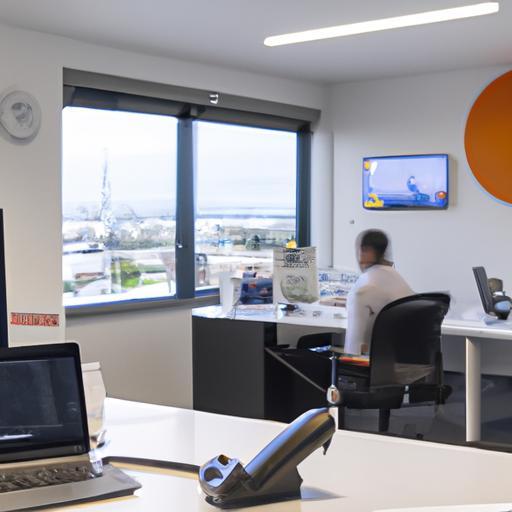
Circular Design Gains Traction in New zealand’s Facility management Sector
In 2026, New Zealand’s facility management and cleaning services industry is witnessing a paradigm shift toward circular design principles, spurred by innovative technologies and a new regulatory framework aimed at promoting sustainability. These developments align with global objectives to minimize waste, conserve resources, and reduce carbon footprints, creating a more sustainable operational model for facility managers across the region.
the circular economy concept has gained significant importance in recent years, particularly as New Zealand seeks to position itself as a leader in environmental sustainability. In March 2026, the government introduced the Circular Economy Bill, which aims to promote practices that extend product lifecycles and reduce waste through effective reuse and recycling initiatives. By mandating reduced reliance on single-use plastics and encouraging businesses to embrace sustainable sourcing, this legislation has catalyzed a wave of innovation in the facility management sector.
As the industry adapts to these regulatory changes, businesses are increasingly prioritizing circular design across their operations. Recent trends indicate a growing focus on eco-friendly materials and technologies that facilitate waste reduction. Newly launched cleaning solutions, made from biodegradable and sustainably sourced ingredients, are gaining traction among facility managers seeking to comply with the new standards while enhancing the well-being of building occupants.
The impact of circular design in facility management extends beyond compliance. Industry experts highlight a strategic shift where facility managers are now seen as critical players in a company’s sustainability agenda. according to Dr. Anna Campbell, a circular economy strategist, “Facility managers have a unique chance to influence purchasing decisions and supply chain engagements, thereby facilitating the adoption of circular practices within their organizations.” This indicates a rising demand for professionals well-versed in sustainable practices, a need that is begining to be reflected in facility management training programs across the country.
Moreover, the advent of digital technologies is playing a pivotal role in this transformation. Smart building technologies,which utilize IoT sensors and data analytics,can track resource consumption and waste generation in real time. These insights enable facility managers to make informed decisions about optimizing resource use, leading to more sustainable operations. Such as, recent installations of advanced waste segregation systems in commercial buildings support automated recycling processes, minimizing operational waste considerably.
However, challenges remain.The transition to a circular economy is not without its hurdles. Facility managers report that high upfront costs for adopting circular practices,coupled with supply shortages of sustainable materials,can act as barriers to immediate implementation. additionally, there is a pressing need for collaboration among stakeholders across the industry, from suppliers to waste management authorities, to create cohesive strategies for resource recovery.
In light of these challenges, many facility management companies are exploring partnerships with innovative startups that specialize in sustainable product progress and waste management solutions. By fostering these collaborations, companies can not only address cost concerns but also access cutting-edge technologies that enhance their circular initiatives.
Practically, facility managers are encouraged to adopt a more holistic view of sustainability that encompasses the entire lifecycle of products and services they procure.Training in circular economy principles has become essential for today’s facility managers, empowering them to make eco-conscious decisions that impact their organizations and communities positively. Implementing a circular framework requires robust assessment methods to evaluate the lifecycle impacts of products, sustainable supply chains, and end-of-life waste strategies.
Looking ahead, the momentum toward circular design in New Zealand’s facility management and cleaning services industry seems poised for significant growth. As climate change pressures mount,the commitment to sustainability is highly likely to transcend regulatory mandates and become an integral part of corporate values. Companies focusing on circular principles not only contribute positively to the environment but also gain competitive advantages through improved operational efficiencies, customer loyalty, and regulatory compliance.
while the journey towards a circular economy is fraught with challenges, the proactive steps taken within New Zealand’s facility management sector signal a commitment to a sustainable future. As more organizations embrace circular design practices, the industry stands to benefit not only economically but also socially and environmentally, ensuring an enduring legacy for future generations.



Related Articles

digital transformation – Facility Management Industry Update
Digital Change Revolutionizes Facility Management and cleaning Services in 2026 As the...
IoT sensors – Cleaning Services Industry Update
The Deployment of IoT Sensors Transforms Cleaning Services in 2026 In a...
BICS certification – United Kingdom Industry Update
BICS Certification Strengthens Its Role in UK Facility Management and Cleaning Services...


green workplace – Europe Industry Update
Green Workplace initiatives Gain Momentum in Europe’s Facility Management Sector As Europe...

Leave a comment