


occupancy planning – United States Industry Update
 FacilicomFebruary 24, 20262 Mins read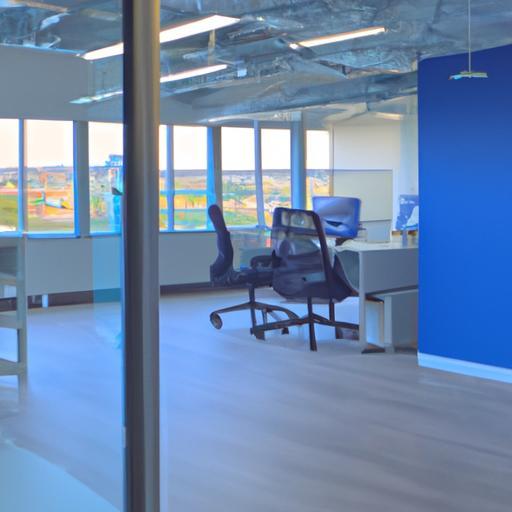
Occupancy Planning Takes Centre Stage in U.S. facility Management in 2026
as the facility management and cleaning services industry navigates evolving demands, 2026 has seen occupancy planning emerge as a critical focus. With businesses increasingly prioritizing space optimization and employee wellness, new strategies and technologies are reshaping how organizations manage their physical environments.
The current market habitat has intensified the importance of occupancy planning due to shifting workforce dynamics. Organizations are adapting to hybrid work models, which require a reevaluation of space allocations. According to recent reports, approximately 63% of companies implemented flexible workspace strategies in 2026, leveraging data to fine-tune occupancy levels. This shift not only enhances employee satisfaction but also drives operational efficiencies by minimizing wasted space and resources.
Integrating advanced technologies is proving pivotal in addressing the challenges of this changing landscape. Smart building systems, utilizing Internet of Things (iot) sensors, provide real-time occupancy data and predictive analytics. These tools enable facility managers to monitor space utilization patterns effectively and make data-driven decisions about workspace design and resource allocation. For instance, the deployment of AI-driven occupancy management platforms has surged, allowing organizations to continuously assess and adjust their spaces according to actual usage trends.
Additionally, the establishment of new regulatory standards focused on health and environmental sustainability is influencing contemporary occupancy planning approaches. In 2026, the U.S. Green Building Council expanded its LEED certification criteria to emphasize occupancy optimization practices. This move highlights a growing recognition of how efficiently designed working environments can impact sustainability goals.Organizations striving for LEED certification are now prioritizing occupancy plans that minimize energy consumption and improve indoor environmental quality.
Experts in the industry underline the necessity for facility managers to adapt this evolving paradigm. “Occupancy planning is no longer just about space allocation; it’s about creating an environment that supports flexible work,” said a senior analyst at a leading market research firm. “this requires facility managers to be proactive, leveraging data to enhance productivity and employee wellbeing while simultaneously reducing operational costs.”
Facility managers are now equipped with a clear duty to not only manage spaces but also curate experiences that align with employee needs. This entails investing in technology that enhances user engagement, such as mobile applications that allow staff to reserve desks and meeting rooms in real time. By doing so, organizations not only improve user satisfaction but facilitate seamless collaboration in hybrid environments.
Moreover, the implementation of biophilic design principles is gaining traction as a means of supporting employee wellness. Insights from a recent study indicate that workplaces enriched with natural elements can result in a 15% increase in productivity and a 23% enhancement in employee satisfaction. as facility managers strive to cultivate environments that reflect these ideals, they are adopting smart landscaping technologies and using augmented reality tools to visualize enhancements before execution.
The financial implications of these trends are significant, as companies seek to maximize ROI from their real estate investments. A case study in early 2026 demonstrated that organizations that adopted advanced occupancy planning technologies realized savings of up to 20% in operational costs over the course of the year. As businesses grapple with inflationary pressures and economic uncertainty, these savings are invaluable.
the emphasis on occupancy planning in the U.S. facility management and cleaning services industry in 2026 reflects a broader evolution towards more strategic and data-driven approaches. As workplace dynamics continue to shift, facility managers are increasingly required to adapt quickly, leveraging technology and innovative design principles to create efficient, welcoming environments.
Looking ahead, it is clear that the role of facility managers will only continue to broaden, intertwining with organizational objectives related to sustainability, employee wellbeing, and technological integration. The ongoing journey will necessitate continuous learning and adaptation, ensuring that facilities not only meet current needs but are also poised for future challenges in an ever-changing landscape.



Related Articles
digital transformation – Facility Management Industry Update
Digital Conversion Accelerates in Facility Management Industry As of 2026, the facility...

UV-C disinfection – Cleaning Services Industry Update
2026 Sees Surge in UV-C Disinfection Adoption in Facility Management As the...
training standards – United Kingdom Industry Update
Enhancing Training Standards in the UK Facility Management and Cleaning Services Industry...


environmental auditing – Europe Industry Update
environmental Auditing Gains Momentum in europe’s Facility Management Sector As of 2026,...

Leave a comment