



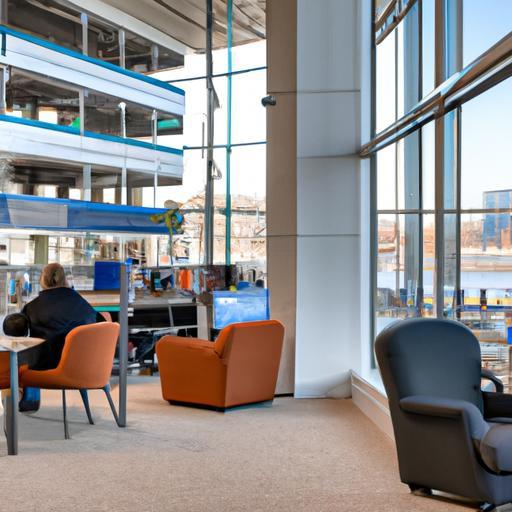
Circular Economy Gains Traction in Europe’s Facility Management Sector
In 2026, the facility management and cleaning services industry in Europe is witnessing a significant shift toward a circular economy model, spurred by regulatory changes, technological innovations, and increasing consumer awareness about sustainability. As countries implement stricter environmental regulations and organizations adopt policies that emphasize waste reduction and resource efficiency,the sector is evolving rapidly too meet these new challenges and opportunities.
The European Union’s Green Deal, aiming for carbon neutrality by 2050, has laid the groundwork for stricter standards and initiatives that began influencing the facility management landscape this year. Key among them is the EU Circular Economy Action Plan, which emphasizes waste management, recycling, and enduring product design. This plan mandates that by 2026, all member states must report on their circular economy performance, placing considerable pressure on facility managers to adopt sustainable practices and technologies.
Market conditions in 2026 have highlighted the barriers and opportunities faced by the facility management industry. Economic factors such as inflation, supply chain disruptions, and increasing labor costs are testing the resilience of services and solutions in this sector. Facility management companies are now looking for ways to optimize resources and reduce costs while maintaining a high standard of service. Implementing a circular economy approach not only enhances operational efficiency but also aligns organizations with sustainability goals increasingly demanded by clients and stakeholders.
In response to these developments, various industry leaders are adopting innovative technologies and practices that embody this new circular ethos. For instance, companies are investing in digital tools for resource tracking and waste management, enabling them to assess their environmental impact more accurately. Advanced data analytics tools are being utilized to predict consumption patterns and optimize the scheduling of cleaning services based on real-time usage data while minimizing waste.
Moreover, initiatives aimed at improving the longevity of products and reducing single-use items are gaining traction.Brands such as Facility Innovation Hub have unveiled a range of modular cleaning equipment designed to be easily repaired or refurbished, thereby extending their lifecycle. The European Commission has also introduced standards for eco-design across various cleaning products, compelling manufacturers to consider recyclability and environmental impact during production.
Industry experts are eager about these changes,viewing them as essential steps toward a sustainable future. The European Facility Management Network recently hosted a forum where key figures in the industry discussed the ramifications of the circular economy.Industry experts noted that transitioning to circular practices can create competitive advantages, enhance client relationships, and even open new revenue streams through innovative service offerings based on sustainability principles.
Facility managers will need to adapt their strategies to align with these broader trends actively. This shift necessitates an evaluation of existing supplier relationships, product choices, and service delivery models. By prioritizing partnerships with vendors who emphasize sustainability, facility managers can contribute to a more circular supply chain, promoting the use of renewable materials and recyclable products. Moreover, training staff on sustainable practices and waste management can considerably impact the effectiveness of these initiatives.Practical implications for facility managers include reassessing procurement policies and investing in training programs that emphasize sustainability. Such as, transitioning towards biodegradable cleaning agents and implementing systems for tracking and reporting waste can help organizations measure their circular economy performance, aligning with EU regulations. Facilities ready to adopt these practices are better positioned to compete in a market increasingly focused on environmental duty.
looking ahead, the trajectory of the facility management and cleaning services industry suggests that circular economy principles will become integral to operational strategies. As regulatory pressures mount and consumer demand for sustainable practices continues to rise, organizations that embrace this holistic approach will likely emerge as leaders in the sector. By 2030, it is anticipated that a majority of facility management companies will have fully integrated circular economy practices, setting a benchmark for sustainability across Europe.
the move toward a circular economy within Europe’s facility management and cleaning services sector is not merely a trend but a necesary evolution driven by regulatory requirements, market conditions, and shifting consumer expectations. As 2026 unfolds, the successful integration of circular principles will set the stage for a more sustainable and resilient industry, aligning economic growth with environmental stewardship and societal well-being. As facility managers embrace these changes, they will play a crucial role in driving the industry’s transformation toward a more sustainable future.



Related Articles
building analytics – Facility Management Industry Update
Building Analytics Revolutionizes Facility Management in 2026 As facility management and cleaning...
cleaning analytics – Cleaning Services Industry Update
Cleaning Analytics Revolutionizes Facility Management in 2026 In 2026, the facility management...

day porter services – United Kingdom Industry Update
Day Porter Services Gaining Momentum in UK Facility Management Sector as Demand...


space utilization – United States Industry Update
space Utilization Takes center Stage in Facility Management Industry in 2026 As...

Leave a comment