



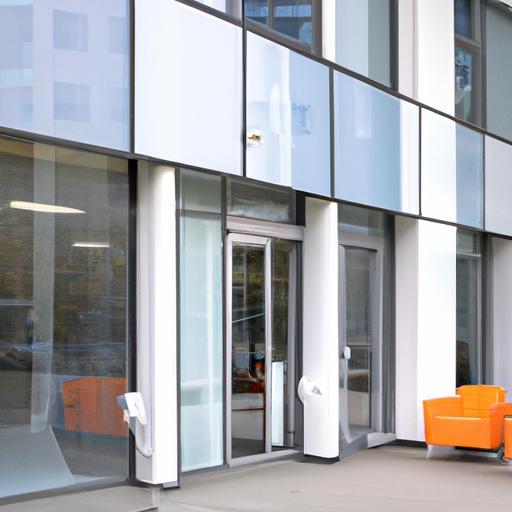
climate Adaptation Drives Innovation in Europe’s Facility Management Industry
As European countries grapple with increasing climate unpredictability, the facility management and cleaning services industry is pivoting towards innovative practices aimed at climate adaptation. In 2026, several key initiatives and technologies have emerged, reflecting a mounting commitment to sustainability and resilience in response to environmental challenges.
The urgency for climate adaptation within the facility management sector is underscored by extreme weather patterns that have become more frequent across Europe. Reports of unprecedented floods,heat waves,and wildfires have prompted regulatory shifts aimed at reinforcing the resilience of infrastructure and practices in facility management. Recent advancements, including the European Green Deal, which emphasizes the need for carbon-neutral public sector operations by 2030, are forcing stakeholders to rethink strategies in maintaining and managing facilities sustainably.
This evolving landscape has sparked a surge of innovations focused on sustainability. One notable trend is the increased adoption of renewable energy sources for building operations, with facilities increasingly being equipped to integrate solar panels and energy-efficient technologies. According to a recent report from the European Facilities Management Association (EFM),nearly 40% of facility managers are now prioritizing energy efficiency as a core component of their operational strategy,a notable increase from previous years.
In parallel, 2026 has seen the rollout of smart building technologies that leverage Internet of Things (IoT) devices. These innovations enable real-time monitoring of energy consumption, waste management, and indoor air quality, allowing for targeted interventions that enhance both environmental sustainability and occupant experiance.Experts in the field suggest that these technologies not only mitigate the ecological footprint of facilities but also lead to cost reductions in the long run.
Industry responses to climate adaptation challenges have been varied, with many organizations implementing comprehensive training programs aimed at equipping personnel with essential skills for enduring practices. The emergence of collaborative ecosystems between facility management providers and technology developers indicates a proactive approach to tackling these challenges. Furthermore,developments in materials science have encouraged the use of sustainable cleaning products and processes,reducing chemical inputs while still maintaining hygiene standards.
Though, while these advancements present opportunities, they are not without challenges. Facility managers must navigate the complex regulatory landscape that is rapidly evolving to address climate-related risks. Compliance with new standards, such as those stemming from the EU’s Fit for 55 package, requires facility managers to adopt practices that might significantly alter operations. Additionally, the costs associated with upgrading facilities to meet new requirements can be ample, compelling managers to seek innovative financing solutions or partnerships to share the burden.practically, facility managers are now tasked with integrating climate adaptation strategies into their core operations. This means reassessing risk management frameworks to include environmental factors, as understanding local climate vulnerabilities becomes imperative.Post-2026, facility managers will also need to lead by example, advocating for greener practices not only within their operations but also influencing clients to adopt similar initiatives.
Looking ahead, the facility management and cleaning services industry in Europe stands at a pivotal juncture where proactive climate adaptation will define its future. as regulatory frameworks continue to evolve and the adverse effects of climate change become more pronounced, the sector’s ability to innovate will be crucial. The investments made now in technology, training, and sustainable practices are likely to yield significant returns, both environmentally and economically, positioning facility management as a cornerstone of climate resilience strategies in the years to come.
the focus on climate adaptation within the facility management sector is proving to be a catalyst for transformative change. As Europe continues to face climate challenges, the commitment to innovation, sustainability, and resilience will shape the future of facility management operations, driving a conscious shift towards environmentally responsible practices across the continent.



Related Articles
smart buildings – Facility Management Industry Update
Smart Buildings: Transforming Facility Management in 2026 in 2026, the integration of...
cleaning analytics – Cleaning Services Industry Update
Cleaning Analytics Transforms Facility Management in 2026 In 2026,the facility management and...

specialist cleaning – United Kingdom Industry Update
Specialist Cleaning Sector Faces Transformative Boost in 2026 Amidst Rising Industry Standards...



facility budgeting – United States Industry Update
Facility Management Sector Adapts Budgeting Strategies Amid Tough Market Conditions in 2026...

Leave a comment