



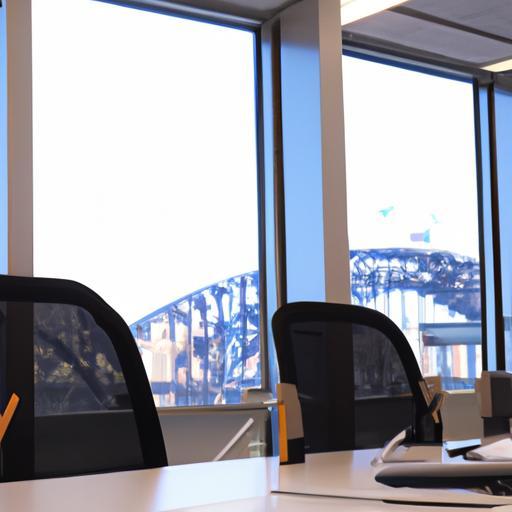
Infection prevention Strategies Transform Australia’s Facility Management Sector
As Australia continues to grapple with public health concerns, the facility management and cleaning services industry is undergoing a meaningful transformation in 2026, driven by innovative infection prevention strategies. With heightened awareness of hygiene standards stemming from past pandemic experiences, the industry is prioritizing advanced cleaning protocols and technologies to protect public health across various facilities.
The Australian government recently implemented new regulations mandating enhanced infection prevention measures in commercial spaces. This development comes in response to rising concerns about viral infections and antimicrobial resistance. Facility managers are now tasked with not only maintaining cleanliness but also ensuring their practices align with newly established regulatory benchmarks. Key sectors such as healthcare, education, and hospitality are under increasing scrutiny to uphold rigorous sanitation protocols, which has elevated the importance of facility management services.
Emerging trends indicate that facility management companies are rapidly adopting technologically advanced tools, including ultraviolet (UV) light disinfection and electrostatic spraying systems. these innovations allow for thorough sanitization of surfaces, reducing the pathogen load in environments that traditionally faced challenges maintaining hygiene standards. Additionally,the introduction of smart building technologies has enabled real-time monitoring of air quality and occupancy levels,providing facility managers with actionable insights to create safer environments.
industry experts agree that these technological advancements are not merely temporary solutions but essential components of a long-term strategy for infection prevention. Many facility management companies are investing in training their staff on the latest cleaning techniques and equipment. This commitment to employee education is seen as vital to fostering a culture of safety and awareness,which is integral in reducing infection transmission risk.
Further complicating the landscape are rising labor costs and supply chain disruptions, which have hampered the ability of facility management companies to maintain consistent service delivery. As inflation affects operational budgets, many companies are looking for ways to improve efficiency while adhering to new regulatory standards. Strategies such as outsourcing and automation are increasingly considered, as they promise to streamline operations without sacrificing quality.For facility managers facing these multifaceted challenges, understanding and implementing current standards has become non-negotiable.The Australian Facility Management Association (AFMA) has released a extensive guideline to aid professionals in navigating the latest infection prevention strategies, including best practices for workplace hygiene and compliance with governmental mandates. Facility managers are encouraged to stay informed about these guidelines, as they serve as benchmarks for operational excellence and client assurance.One notable initiative is the ongoing collaboration between the hospitality sector and local health authorities, focusing on the use of green cleaning products that meet the strictest health standards. By transitioning towards more enduring and effective cleaning agents, facility managers not only enhance the health of building occupants but also positively impact the environment, aligning with broader societal goals for sustainability.
As the landscape continues to evolve, facility management companies are also experimenting with biosecurity measures, such as touchless entry systems and advanced HVAC systems designed to enhance air filtration and circulation. Implementing these measures is seen as a way to promote tenant confidence, thus driving occupancy and revenue, especially in commercial real estate.
Looking ahead, the industry must brace itself for continued scrutiny and evolving expectations surrounding public health measures. Facility management firms that harness innovation and remain adaptable will be better positioned to thrive in this unpredictable environment. The push for continual betterment in infection prevention not only reflects an ongoing commitment to public safety but also presents an opportunity for facility managers to differentiate themselves in a competitive market.
the Australian facility management and cleaning services industry is navigating a pivotal moment in 2026,with advancements in infection prevention becoming central to operational strategies. By integrating cutting-edge technologies, adhering to newly set regulations, and investing in staff education, facilities can foster safer environments, ultimately benefiting public health and industry sustainability. The path forward will require agility and responsiveness, yet the focus on health and safety makes an undeniable case for more robust facility management practices in the years to come.



Related Articles
building automation – Facility Management Industry Update
Building Automation Systems Transform Facility Management in 2026 In 2026, the facility...
smart cleaning systems – Cleaning Services Industry Update
smart Cleaning Systems Transforming facility Management in 2026 In 2026, the facility...

BICS certification – United Kingdom Industry Update
BICS Certification Sets New Standards in UK Facility Management In 2026, the...


sustainable supply chains – Europe Industry Update
Lasting Supply Chains Transforming Europe’s Facility Management Sector in 2026 As Europe’s...

Leave a comment