



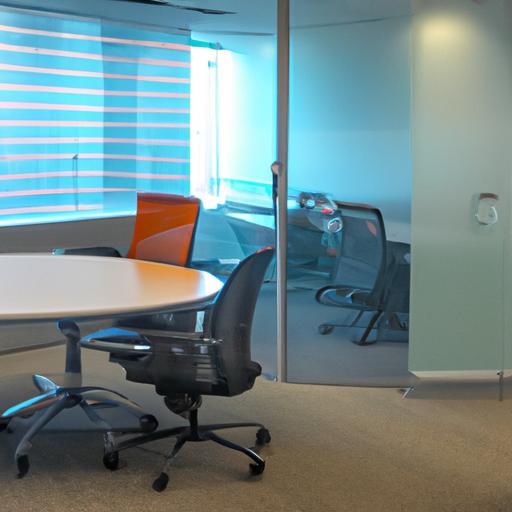
Rethinking space Utilization: Latest Trends in the Facility Management Sector
As businesses across the United States grapple with a rapidly evolving landscape, the facility management and cleaning services industry is witnessing a significant shift in space utilization strategies. In 2026, organizations are increasingly prioritizing versatility and efficiency as they adapt to hybrid work models and the necessity for sustainable practices.
The COVID-19 pandemic ignited a reevaluation of workspace design, leading to a surge in hybrid and remote working arrangements. Companies are now facing challenges related to over- or under-utilized spaces, prompting facility managers to rethink their approaches. With the return to the office in many sectors, there is a pressing need to maximize the utility of existing spaces while minimizing wasted resources. Recent studies indicate that up to 40% of office spaces were underutilized in 2025, driving decision-makers to explore innovative usage strategies that effectively integrate technology with customary facility management practices.
Among the notable innovations emerging in 2026 is the integration of advanced analytics and Internet of Things (IoT) solutions. Utilizing data analytics, facility managers can track real-time occupancy levels, monitor environmental conditions, and optimize resource allocation. For instance, cutting-edge platforms are allowing managers to establish dynamic zoning within workplaces, facilitating a more agile response to fluctuating employee attendance.This trend,often referred to as “smart occupancy management,” not only aids in ensuring compliance with current health regulations but also drives operational cost savings.
Additionally, regulatory changes, such as the 2026 Workplace Efficiency Standards introduced by the American National Standards institute (ANSI), are compelling facility managers to adopt smarter space utilization policies. Thes standards emphasize health, safety, and accessibility, setting the groundwork for improved building designs that cater to diverse workforces. Facilities that align with these standards can enhance employee well-being and productivity, further improving their market competitiveness.
The industry response to these trends underscores the growing importance of collaboration among facility managers, architects, and technology providers. Industry experts point to collaborative workspace designs, which prioritize open spaces and communal areas, as a key focal point for enhancing employee engagement. These designs are not only conducive to team-building but also enable businesses to adapt to unanticipated changes in workforce dynamics. In response to this evolving demand, many facility management firms are investing in partnerships with tech start-ups focused on creating space optimization tools that leverage AI and machine learning algorithms.
Practical implications for facility managers extend beyond merely filling office cubicles. The challenge now lies in curating environments that foster collaboration, innovation, and employee satisfaction. Facility managers must take a proactive approach to engage with employees, soliciting feedback on workspace effectiveness and comfort. This engagement plays a pivotal role in attracting and retaining top talent,especially as companies navigate the competitive job market of 2026.
In terms of cleaning services, the emphasis on sustainable practices has never been more crucial. The shift toward eco-kind cleaning solutions and materials not only aligns with growing consumer demand for sustainability, but it also supports optimal space utilization by ensuring that the environments are healthy and conducive to productivity. Companies are increasingly adopting green certifications and guidelines not just for compliance, but as a strategic advantage to showcase their commitment to corporate social responsibility.
As the facility management landscape continues to evolve, staying ahead of these trends will be paramount. Looking ahead, the integration of technology in space planning and utilization is likely to become even more pronounced, with innovations in augmented reality (AR) helping visualize potential workspace arrangements before implementation. This technology enables facility managers to simulate how modifications may affect employee workflows and overall office efficacy, reducing the cost and time involved in physical redesigns.
the developments in space utilization for facility management and cleaning services in 2026 reflect a broader trend centered around flexibility, innovation, and sustainability. As organizations continue to navigate the complexities of modern work environments, facility managers must remain adaptive, harnessing new technologies and regulatory frameworks to drive efficiency and employee satisfaction.The next few years promise to reshape not only spatial designs but the very nature of how businesses operate, emphasizing that the smart utilization of space can unlock potential pathways to growth and success in an increasingly competitive marketplace.



Related Articles
IoT integration – Facility Management Industry Update
IoT Integration Revolutionizes Facility Management in 2026 As the facility management and...
UV-C disinfection – Cleaning Services Industry Update
UV-C Disinfection Gains Traction in 2026 Cleaning Services Landscape As the facility...

BICS certification – United Kingdom Industry Update
UK Facility Management and Cleaning Services Sector Embraces BICS Certification in 2026...


environmental auditing – Europe Industry Update
Environmental Auditing Gains Momentum in Europe’s Facility Management Sector As Europe’s facility...

Leave a comment