



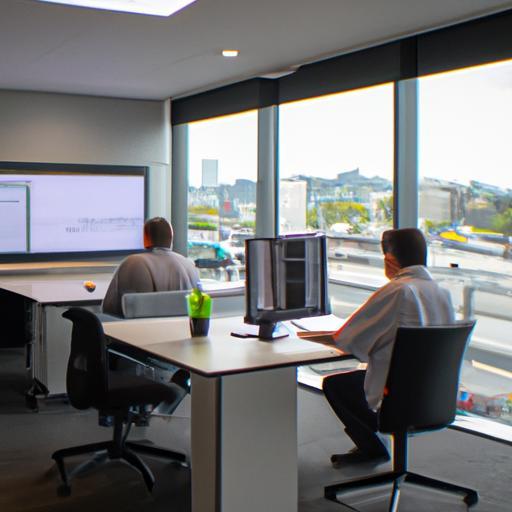
Workplace wellness Gains Traction in New Zealand’s Facility Management Sector
With a renewed focus on employee well-being, New Zealand’s facility management and cleaning services industry has seen significant advancements in workplace wellness as of 2026. As organizations grapple with the emerging demands of a post-pandemic workforce,a concerted effort has emerged to enhance mental and physical health measures within the sector.
The growing emphasis on workplace wellness is driven by various market conditions, including rising employee turnover and heightened awareness about mental health issues. In response, leading facility management firms have adopted innovative wellness frameworks, recognizing that healthier work environments can lead to increased productivity and reduced sick leave. The introduction of new standards by the New Zealand government aimed at mental health in workplaces has provided a regulatory backdrop supporting these initiatives.
A pivotal aspect of the evolution in workplace wellness has been the incorporation of technology. Many firms are now using data analytics and AI to identify wellness trends and proactively address employee needs. Companies are deploying apps that monitor staff well-being, enabling real-time feedback and support mechanisms. Such digital solutions have proven crucial in fostering a culture of wellness, especially in cleaning and facility management, where employees frequently face high levels of physical strain and psychological pressure.
Industry experts have praised these developments as necessary responses to an evolving workforce landscape. According to Sarah Thompson, a leading workplace wellness consultant, “The facility management sector is beginning to understand that investing in employee wellness is not just an ethical responsibility but a business imperative.” She highlighted that extensive wellness programs, which include mental health days, ergonomic assessments, and employee assistance programs (EAPs), represent a strategic shift in addressing retention challenges in the industry.
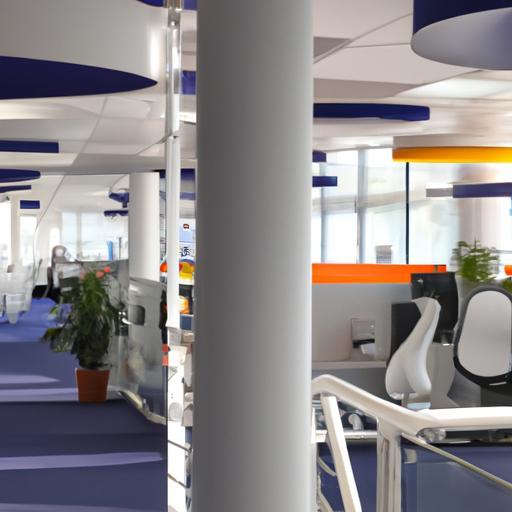
From a practical standpoint, facility managers are adapting various strategies to prioritize workplace wellness. This includes ensuring that cleaning protocols do not just meet regulatory standards but also promote a healthier environment. for instance, many organizations are shifting toward eco-friendly cleaning products and techniques that reduce harmful chemicals, thereby enhancing indoor air quality. Additionally, the physical layout of workplaces is being re-evaluated to promote well-being, with more open and collaborative spaces being designed to reduce stress and encourage interaction.
Moreover, the rise of hybrid working models has added complexity to the wellness challenge. Facility managers are now tasked with creating wellness programs that accommodate both remote and in-office workers, fostering an inclusive culture that addresses the needs of all employees.Support structures must be flexible and diverse, with varying levels of resources dedicated to both in-office wellness, such as gym memberships, and virtual wellness programs, like guided meditation sessions. Employers are also recognizing the importance of mental health training for managerial staff to better support their teams,which can directly impact morale and productivity.
Looking ahead, the future of workplace wellness in New Zealand’s facility management and cleaning services sector appears promising. As organizations increasingly recognize the link between employee well-being and organizational performance, anticipated trends suggest further investments in mental health initiatives, with an expected 20% increase in budget allocations for wellness programs by the end of 2026.Enhanced regulatory frameworks will likely encourage even more innovative solutions, challenging facility managers to remain adaptable and proactive.
the shift towards workplace wellness in new Zealand’s facility management and cleaning services industry is not merely a trend, but a strategic pivot that addresses the complex challenges of the modern workforce. By harnessing technology and adhering to new regulatory standards, companies are revitalizing their approach to employee care, setting a precedent for the future of the industry. As this focus continues to evolve, stakeholders must collaborate, innovate, and prioritize the well-being of their teams to thrive in an increasingly competitive landscape.



Related Articles
BMS systems – Facility Management Industry Update
BMS Systems Revolutionize Facility Management in 2026 In 2026, Building Management Systems...
cleaning analytics – Cleaning Services Industry Update
Cleaning Analytics Transforms Facility Management Landscape in 2026 In 2026, the facility...
contract cleaning – United Kingdom Industry Update
Contract Cleaning Innovates Amidst Regulatory Changes in UK Facility Management Sector In...


waste reduction – Europe Industry Update
Waste Reduction Initiatives gain Traction in Europe’s Facility Management Sector In 2026,...

Leave a comment