



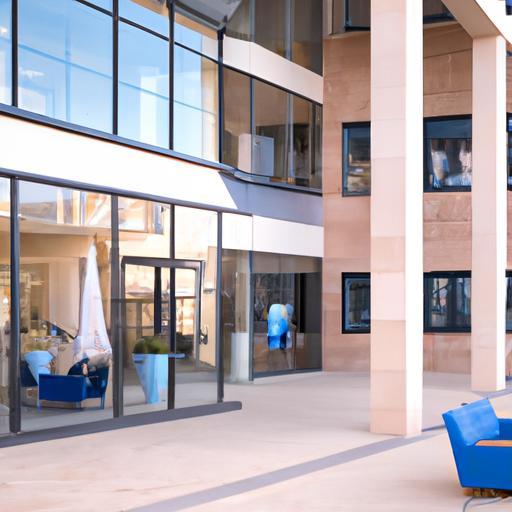
Environmental compliance at the Forefront of Europe’s Facility Management Sector in 2026
In a significant move towards sustainability, the European facility management and cleaning services industry is witnessing enhanced regulatory measures aimed at bolstering environmental compliance. In 2026,industry stakeholders are adapting to the latest directives from the European Union,including the European Green deal’s strict emissions targets and the introduction of the EU Circular Economy Action Plan,both of which place rigorous demands on operational practices throughout the sector.
The emphasis on environmental compliance stems largely from growing awareness and accountability towards climate change and resource depletion. The recent updates in EU regulations, notably in waste management and energy efficiency, are reshaping facility management practices across member states. Facility managers are now being tasked not only wiht the maintenance of environments but with ensuring that their operations conform to lasting standards. The pressure to implement eco-friendly practices has intensified, compelling companies to reevaluate their strategies to minimize waste and reduce carbon footprints.
As the industry adapts, experts note that technologies designed to improve energy efficiency and waste recycling are rapidly becoming vital. Innovations such as advanced cleaning robots equipped with AI and sensors are being deployed to optimize cleaning processes, allowing for more judicious use of chemicals and water.Moreover, the advent of smart building technology is enabling facility managers to better monitor energy consumption and operational efficiency. Industry leaders are optimistic that such technologies can play a significant role in meeting the new regulatory requirements while also promoting a more sustainable operational ethos.
In response to these challenges, companies are increasingly collaborating to share knowledge and resources. Trade organizations, such as the European Facility Management Network (EuroFM), are actively engaging their members by offering training sessions and workshops focused on new compliance strategies. The push for collective awareness and cooperative problem-solving is seen as essential for navigating the complexities of adhering to evolving environmental regulations.
Practical implications for facility managers are significant, as thay must not only stay updated on regulatory changes but also ensure that their teams are well-trained in sustainable practices. This includes implementing stringent waste segregation protocols, adopting green cleaning products, and rigorously monitoring resource use. Facility managers are expected to develop comprehensive sustainability plans that outline specific goals, marking an essential shift in perspective from merely operational efficiency to an overarching commitment to ecological stewardship.
Looking ahead, the facility management sector is at a critical juncture.As sustainability becomes ingrained in operational frameworks, compliance will morph from a legal obligation into a strategic advantage. The industry is poised to forge a path where environmental duty is not just a checkbox for regulatory compliance but a driving force for innovation and competitiveness. The proactive adaptation to the 2026 standards will likely lead to long-term benefits, including improved client satisfaction and enhanced brand loyalty.
Failure to align with these ecological initiatives may result in increased scrutiny from regulators and clients alike, emphasizing the urgent nature of compliance. The trends emerging today suggest that as Europe pushes forward with aspiring environmental goals, facility management companies will need to embrace change and lead the charge towards a greener future. The road ahead might potentially be fraught with challenges, but it undoubtedly presents an prospect for the sector to redefine its role in society and contribute meaningfully to environmental sustainability initiatives.



Related Articles
integrated workplace management – Facility Management Industry Update
Integrated Workplace Management Solutions Transform Facility Management Landscape in 2026 As 2026...
cleaning equipment – Cleaning Services Industry Update
Cleaning Equipment Innovations Drive Efficiency in Facility Management As of 2026, the...

professional cleaning – United Kingdom Industry Update
UK Facility Management Industry Sees shift to Sustainable adn Smart Cleaning Solutions...



preventive maintenance – United States Industry Update
Preventive Maintenance Gains Momentum in Facility management Sector In 2026, the facility...

Leave a comment